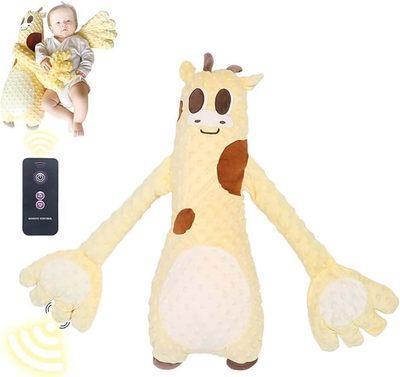
Baby feeding and sleep products keep returning online
BBC Morning Live’s baby-product investigation highlights feeding and sleep risks, the limits of safety logos, and how to preserve a listing signal for human review.
Read the full briefing → Safer ShoppingSaferShopping.co.uk
Safer Shopping · Investigations and explainers
Investigations, recall explainers and practical guidance connecting official safety evidence to the products people encounter online.
BBC Morning Live’s baby-product investigation highlights feeding and sleep risks, the limits of safety logos, and how to preserve a listing signal for human review.
Read the full briefing →Latest edition
Each article separates sourced evidence, analysis and practical next steps.
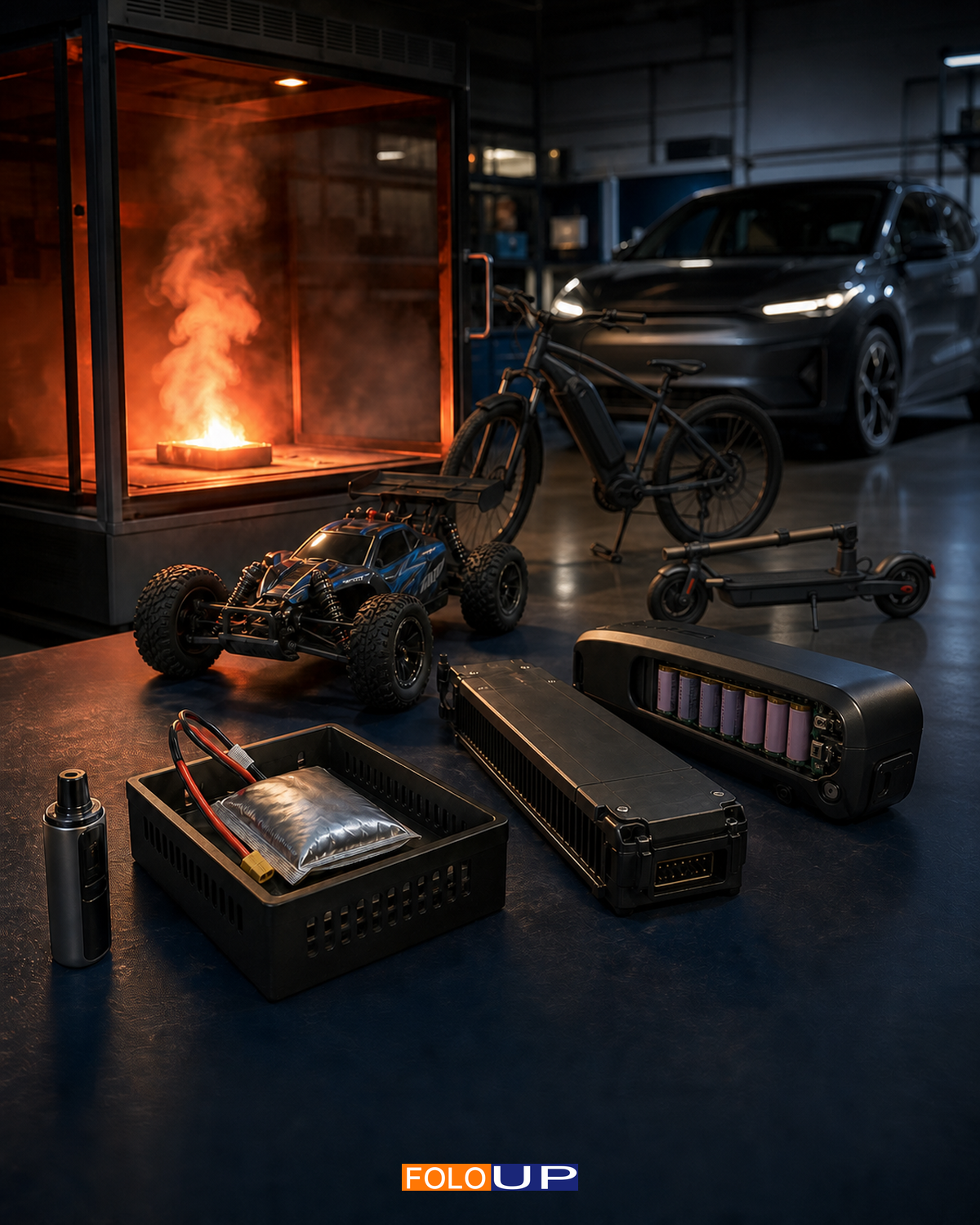
Vapes, RC models, e-bikes, e-scooters and electric cars can all use rechargeable lithium cells. The chemistry may be related, but battery size, protection systems, charging behaviour and escape conditions change both the risk and the safe response.
Read the full briefing →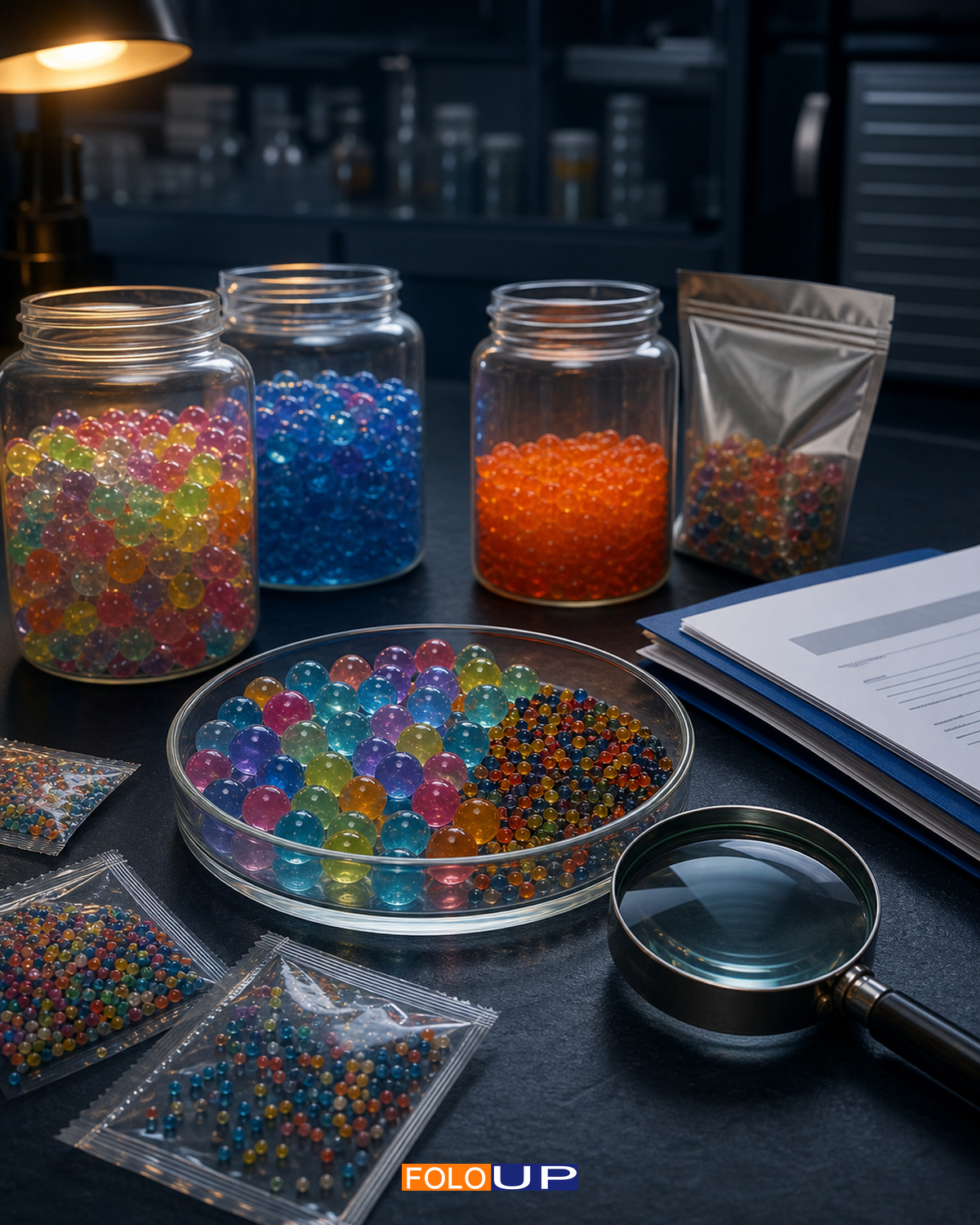
The same superabsorbent bead can be sold as a toy, vase filler, craft material or gel-blaster ammunition. The seller’s category changes the applicable rules and corrective action; the swallowing and expansion hazard remains.
Read the full briefing →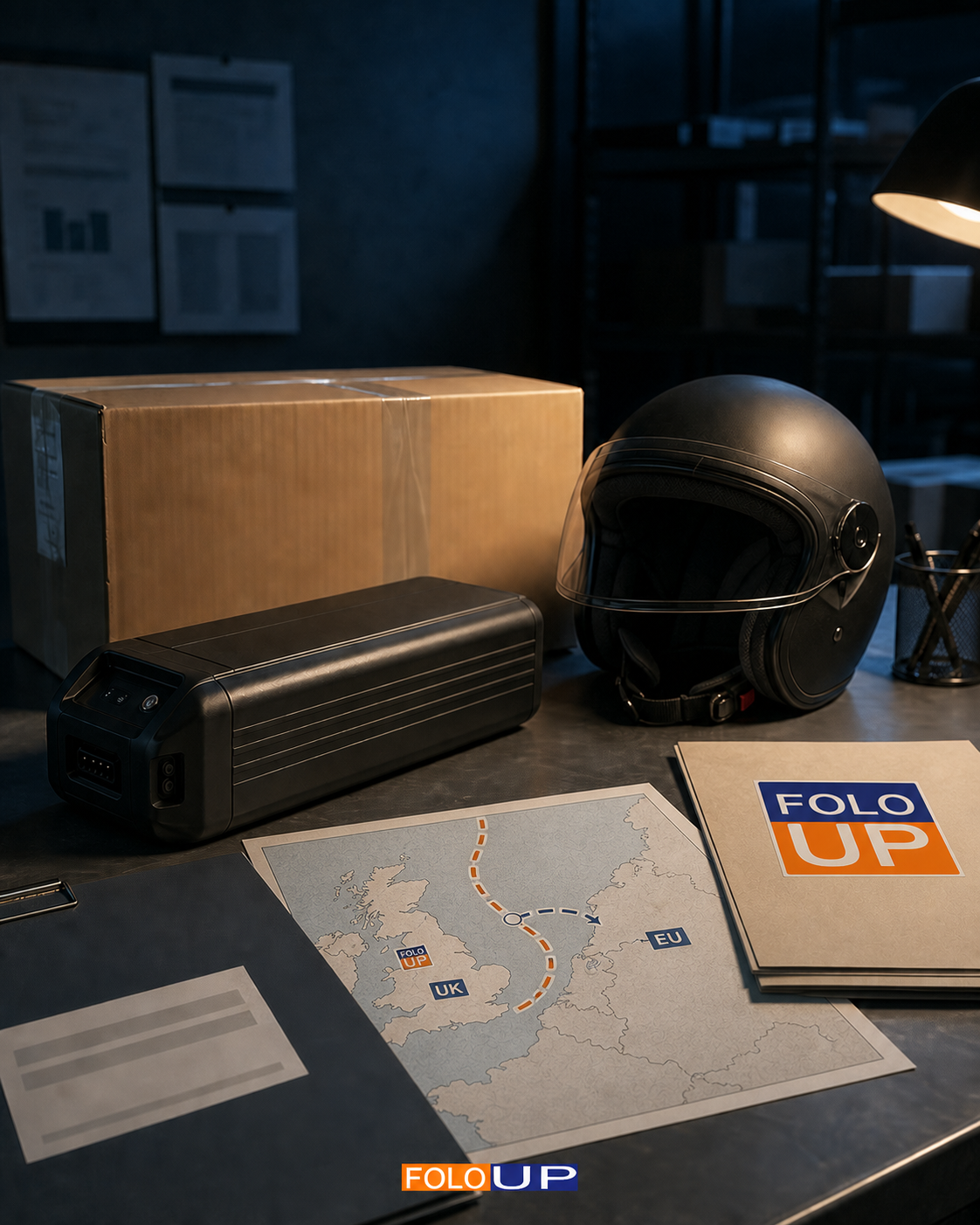
An e-moped recalled in Europe reached a UK recall only after a London fire investigation. Current official guidance shows how post-Brexit warning exchange now depends on several narrower reporting routes.
Read the full briefing →
Smart products depend on updates, apps and cloud services long after purchase. With six in ten UK adults using smart or IoT products, the published support period has become part of a product’s practical safety life.
Read the full briefing →
A toy can now change through software, connect to a service or collect information after it has passed a physical safety test. UK and EU policy work is beginning to address that moving target.
Read the full briefing →
The Government’s 2026 consultations propose moving beyond one-by-one notices towards duties that make marketplaces prevent, identify and remove unsafe products. The proposals remain proposals until legislation is made.
Read the full briefing →
A cosmetic can look convincing while its ingredients, documentation and responsible supply chain remain invisible. Recent EU and UK evidence puts chemical risk, traceability and online listings at the centre of product-safety enforcement.
Read the full briefing →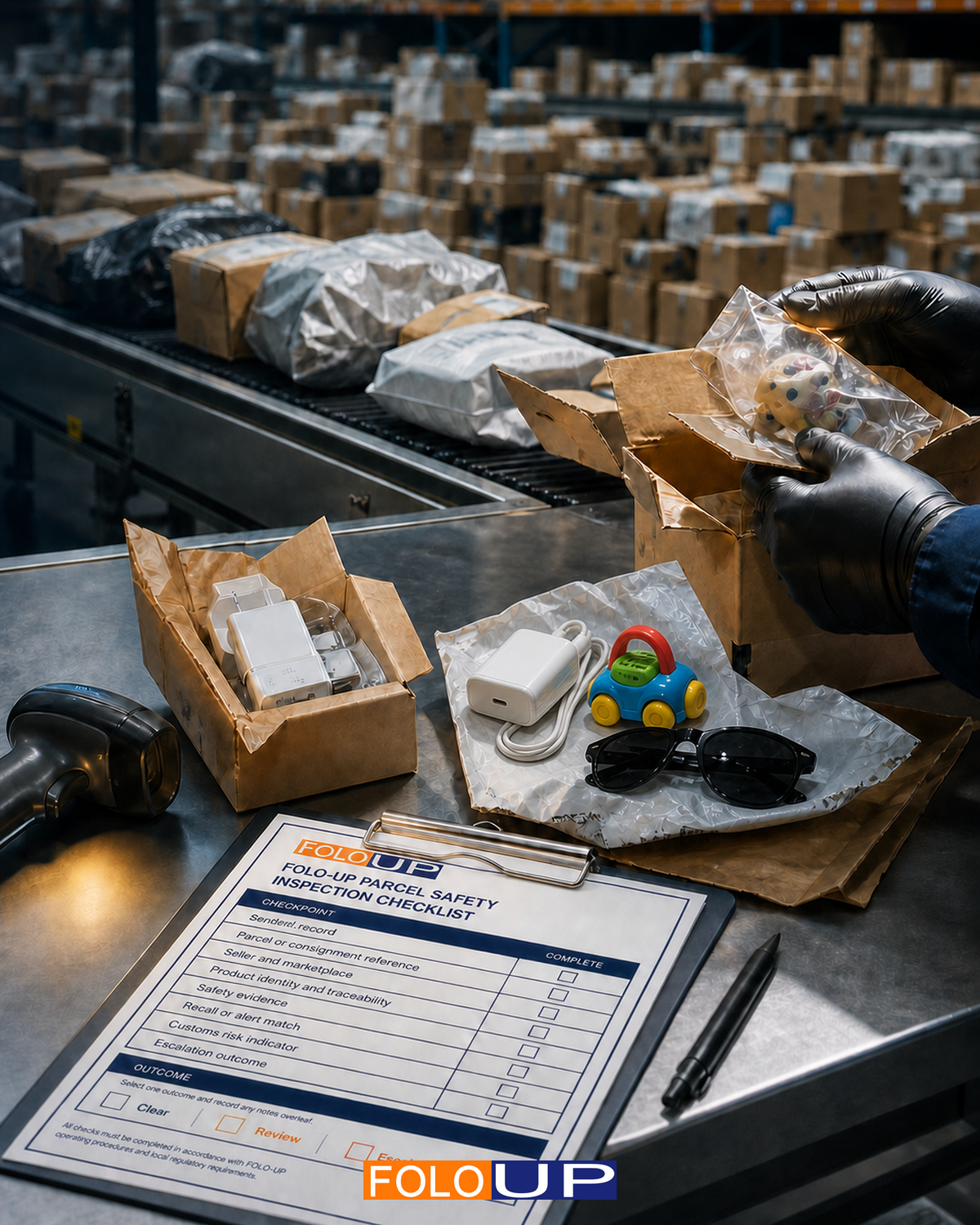
Low-value e-commerce has changed the scale of border enforcement. The EU now receives billions of small consignments each year while the proportion physically controlled continues to fall.
Read the full briefing →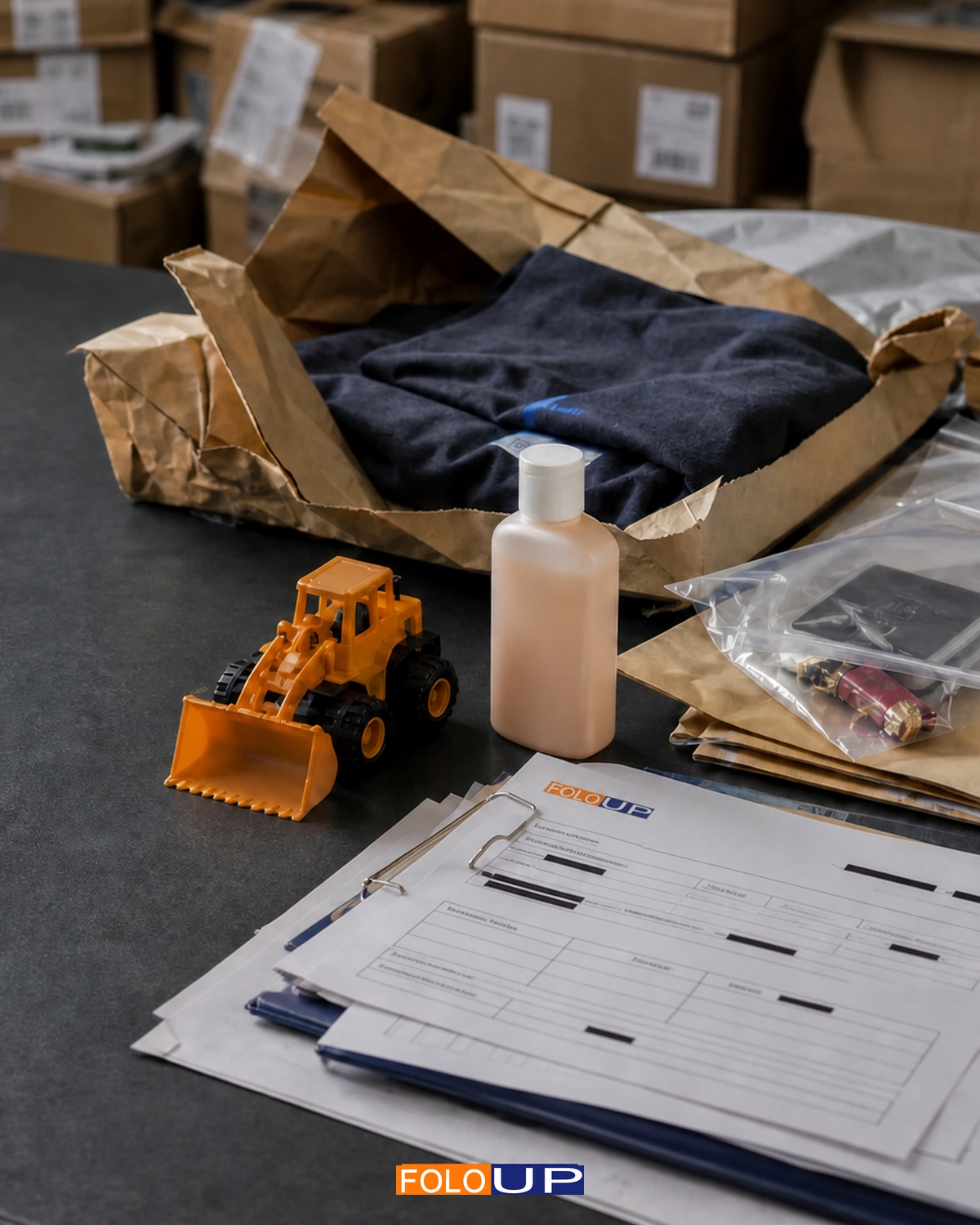
The European Commission says AliExpress failed to assess and reduce systemic risks connected with illegal, unsafe and counterfeit products—not merely that individual listings were removed too slowly.
Read the full briefing →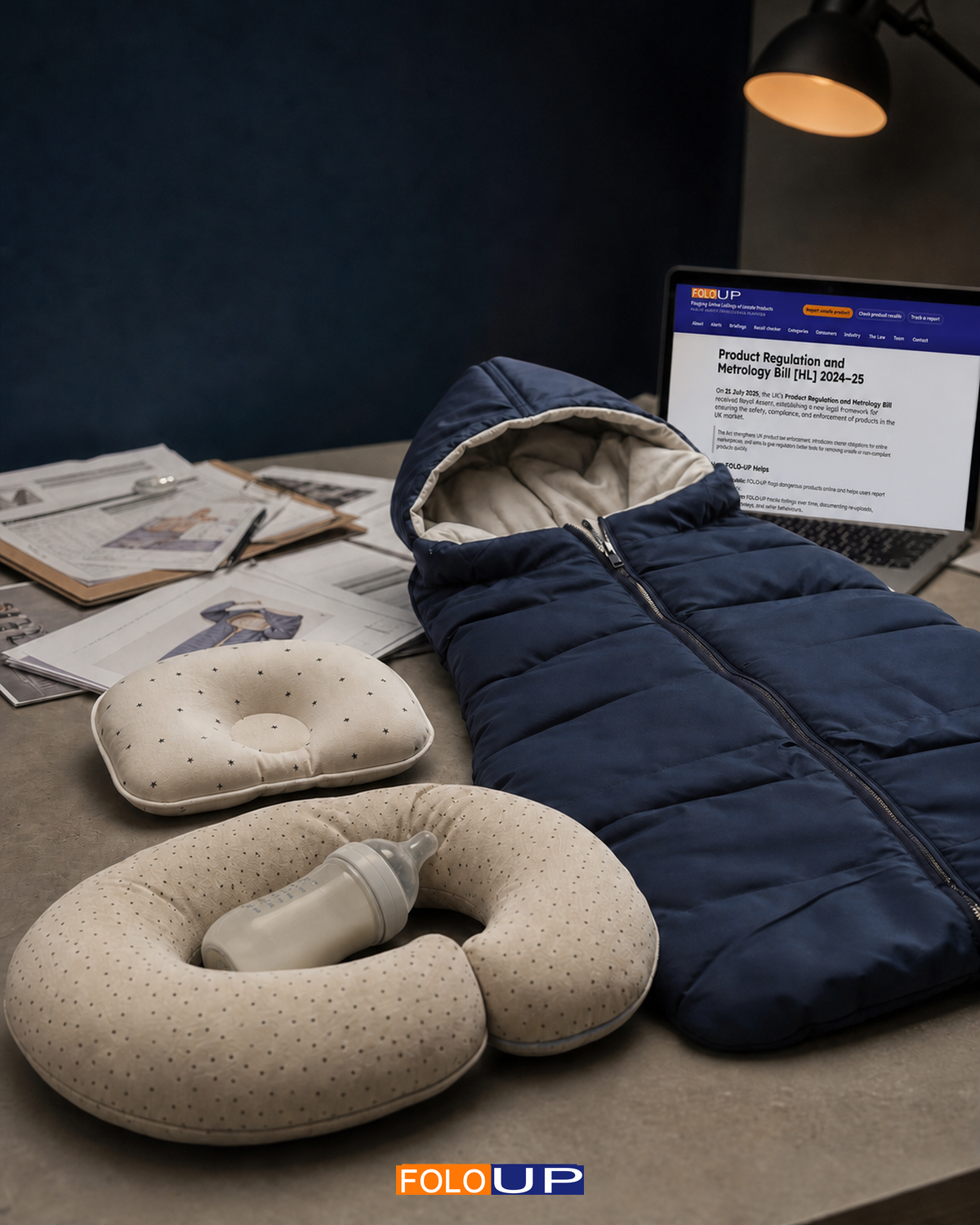
A July 2026 Which? investigation identified 150 potentially dangerous infant products across major marketplaces, including designs covered by public safety alerts.
Read the full briefing →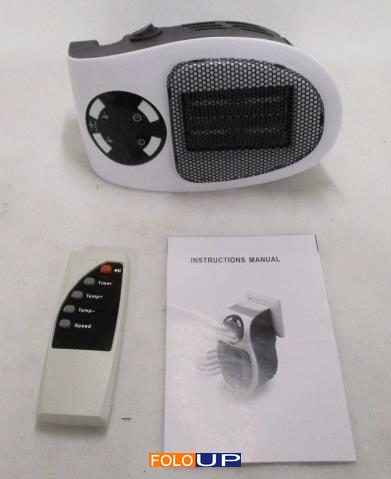
An OPSS report said listings for a serious-risk 500W plug-in heater had been removed from five marketplaces in December 2022. In June 2026, a Commons committee member said he found nine apparently identical heaters on eBay and bought four. The case exposes the gap between deleting a URL and suppressing a dangerous product.
Read the full briefing →Investigative Briefings & editor · Version 0.1.5 · Original reporting and source history retained from FOLO-UP.